

Cash remains the euro area’s most widely accepted payment method
Cash acceptance among businesses with physical locations rose to 92% in 2026, according to the European Central Bank. The result matters not only at the checkout: payment-method resilience can also be relevant when households plan budgets, property purchases
The latest ECB survey in brief
The European Central Bank’s 2026 survey found that 92% of companies with physical points of sale accepted cash. The survey covered retail, restaurants and cafés, hotels, and arts, entertainment and recreation businesses across all 21 euro area countries.
The result was slightly higher than the 90% recorded in 2024, suggesting that cash acceptance recovered after the decline seen during and after the pandemic. Interviews for the latest survey took place between February and April 2026, with 8,205 companies participating.
Cash leads, but digital options are expanding
Cash remained the most widely accepted payment method overall, but the direction of travel is not exclusively cash-based. Card acceptance was broadly stable at 88% between 2024 and 2026. Mobile-payment acceptance increased from 36% to 68% over the same period.
The figures describe business acceptance, not how often consumers actually choose each method. That distinction is important: a payment method can be available without being the customer’s preferred option.
The survey also found that 25% of euro area companies had taken steps to promote digital payments. Meanwhile, 13% had introduced self-checkout terminals.
Why businesses continue to accept cash
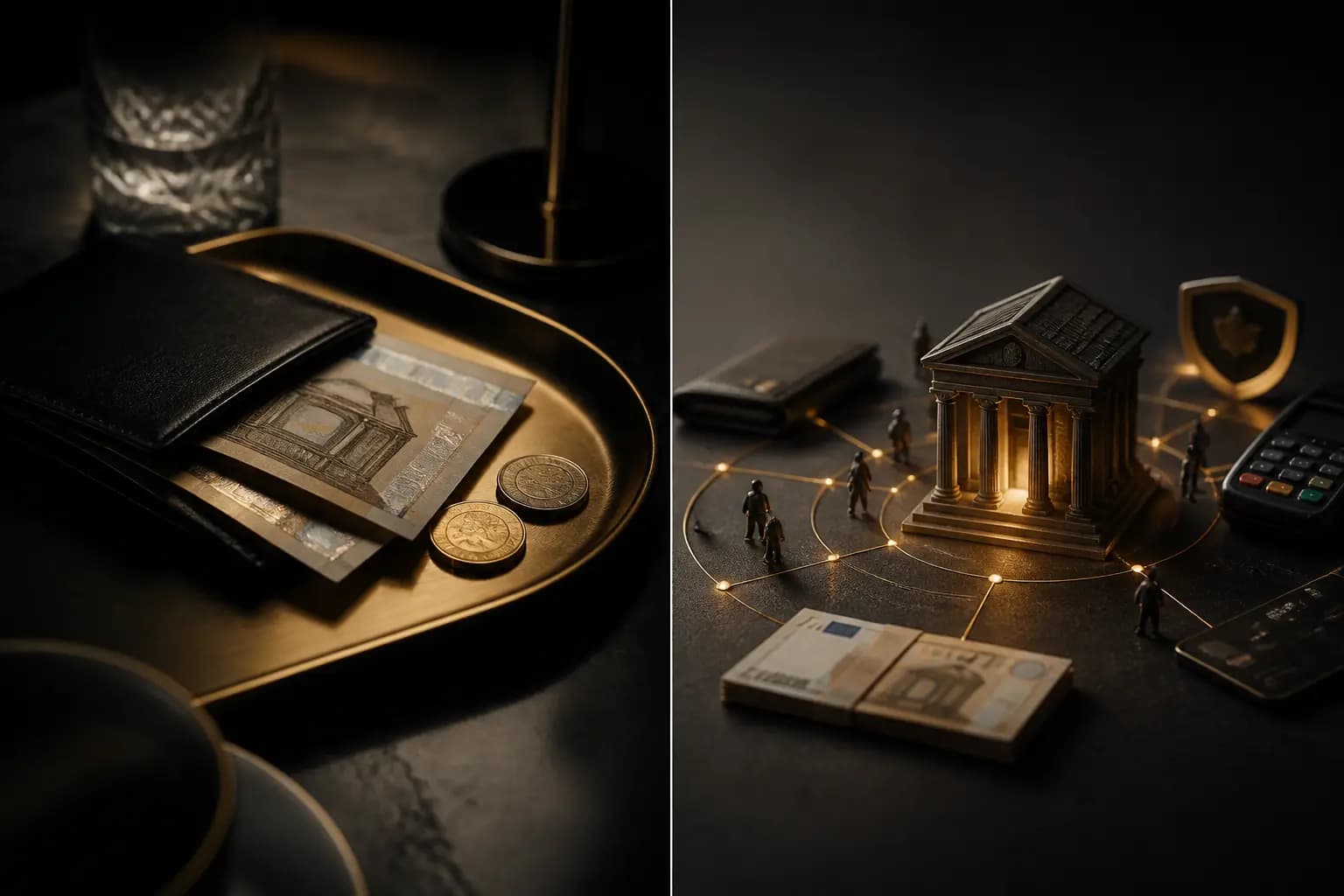
When deciding which payment methods to accept, companies most often considered consumer preference, security and ease of handling. Businesses also continued to identify privacy and reliability as significant advantages of cash compared with digital methods.
For households, this creates a practical form of payment redundancy. A person who relies only on one digital channel may face more friction if a device, account, network connection or payment service is temporarily unavailable. That is a general planning consideration, not a prediction that any particular disruption will occur.
What this means for property and mortgage planning
The ECB figures do not change mortgage affordability, lending criteria or the cost of buying a home. They do, however, support a simple budgeting principle: keep payment access separate from the broader question of how much property you can afford.
For a household preparing for a purchase, a practical checklist is:
- Maintain a clear operating budget. Separate recurring mortgage, rent, utilities and insurance payments from everyday spending.
- Keep a modest payment backup. Cash can complement digital payment methods when a physical merchant does not support a preferred digital option or when access to a digital channel is temporarily limited.
- Do not confuse payment flexibility with financial resilience. A cash reserve is not the same as an emergency fund sized for income loss, repairs or higher housing costs.
- Track the full purchase plan. The deposit, transaction costs, furnishing, moving expenses and monthly cash flow matter more to affordability than the payment method used for groceries or services.
These are planning principles rather than personal financial advice. They do not imply that a buyer should hold a particular amount of cash or use one payment method exclusively.
A useful decision rule for households
The survey points to coexistence rather than a simple replacement of cash by digital payments. Cash acceptance was 92%, card acceptance 88%, and mobile-payment acceptance 68% in the 2026 results.
For long-term financial planning, the useful question is therefore not “cash or digital?” but “which payment method is best suited to this expense and what backup do I have?”
Digital payments can make transaction records and recurring payments easier to manage. Cash can offer broad physical acceptance, privacy and an alternative when digital access is inconvenient. A household can use both while keeping its main focus on predictable expenses, liquidity and affordability.
Key takeaways and FAQs
What percentage of euro area businesses accepted cash in 2026?
The ECB reported that 92% of companies with physical points of sale in the surveyed sectors accepted cash in 2026.
Was cash acceptance higher than in 2024?
Yes. Cash acceptance was reported at 92% in 2026, compared with 90% in 2024.
Are digital payments becoming more widely accepted?
Yes. Card acceptance remained broadly stable at 88%, while mobile-payment acceptance rose from 36% to 68% between 2024 and 2026.
What to take away
Cash remains the most widely accepted payment method in the euro area, even as mobile payments become much more common. For people planning a property purchase or mortgage, the main lesson is practical: payment-method choice is only one part of financial resilience. A reliable plan should also cover liquidity, recurring housing costs and unexpected expenses.
This article is informational and does not replace financial, investment or mortgage advice.