


SEPA has created common standards for cross-border euro payments across 41 European countries. Yet ECB evidence shows that many households in south-eastern Europe still rely on cash, relatives, friends or money transfer operators for remittances.
What SEPA changed in European payments
The Single Euro Payments Area, or SEPA, was designed to make a euro transfer between participating countries as straightforward as a domestic payment. It replaced a more fragmented system with common payment schemes and harmonised standards. The SEPA geographical scope now covers 41 European countries, including euro-area countries, EU members that do not use the euro and, increasingly, candidate countries.
This is the source-level fact. The editorial interpretation is that SEPA’s main achievement is infrastructure: users do not necessarily notice the standards and systems behind a payment, even when those systems make cross-border transfers more integrated and potentially less costly.
The gap between payment infrastructure and actual use
The ECB blog reports that SEPA’s geographical expansion has not automatically produced a fully operational payment system or immediate consumer benefits in every location. Bulgaria and Romania have been within SEPA’s geographical scope for more than 15 years. Albania and the Republic of North Macedonia joined in 2024, while Serbia joined in 2025. Bosnia and Herzegovina officially applied for membership in August 2026.
The same source describes continued reliance on non-bank and informal channels across six south-eastern European countries. Around one-third of remittance recipients receive money in cash through relatives or friends, and another third use physical money transfer operators. Bank-based channels are more common in Bulgaria, while money transfer operators remain equally important there; in Albania, more than half of recipients use money transfer operators.
The important comparison is therefore not simply “SEPA exists” versus “SEPA does not exist”. It is the difference between formal payment integration and the channels people actually use. The source shows that membership or geographical coverage alone does not guarantee dominant use of bank-based transfers.
Why the channel can affect the amount received
The source reports substantial variation in remittance fees. Cash-to-cash transfers typically cost around 6% to 12%, while digital non-bank transfers can cost between 1.5% and 4.5%. Depending on the countries involved, provider and channel, fees for the same transfer can differ by more than 10 percentage points.
SEPA transfers can allow more of the sent money to reach the recipient, particularly when the recipient holds a euro-denominated account and currency-conversion costs can be avoided. The ECB blog illustrates the scale with a 5% fee: that rate corresponds to around €140 million on annual remittance inflows to Bulgaria and around €130 million on those to Albania.
These figures are not a claim that every SEPA transfer is free or that every recipient can use it. They show why payment channel, provider and currency matter when comparing the cost of sending money.
What the evidence shows—and what to check next
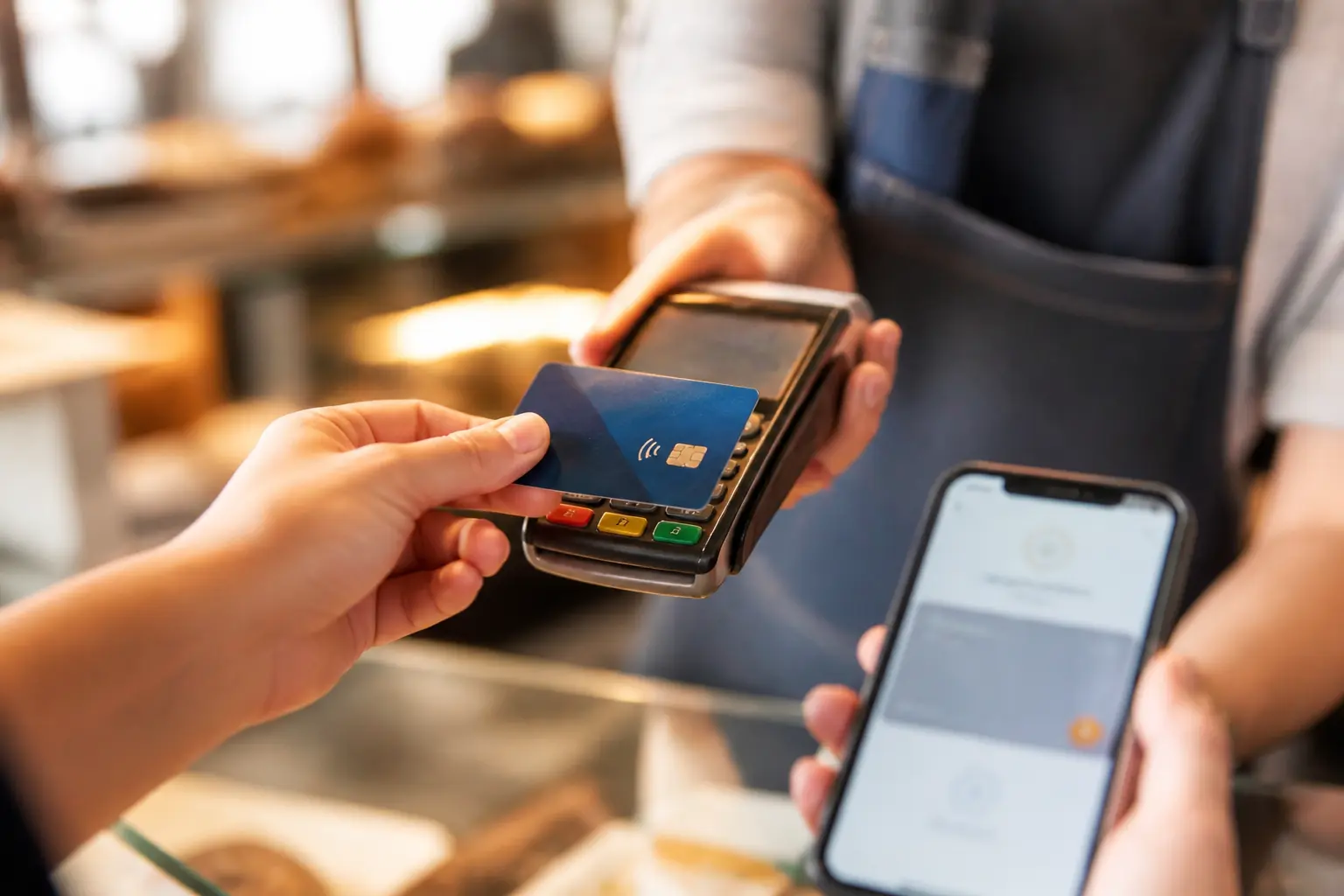
The evidence supports four practical checks when reading or comparing a cross-border payment option:
- Identify the channel. Distinguish a bank-based SEPA credit transfer from a cash-to-cash transfer, a physical money transfer operator and a digital non-bank service.
- Compare the fee structure. The source shows that costs vary materially by provider, country pair and channel, so a label such as “digital” does not by itself establish the final cost.
- Check the currency path. A euro-denominated account may help avoid currency-conversion costs, but the source does not establish that this applies to every sender or recipient.
- Separate geographical coverage from operational access. Confirm that the relevant institutions participate and that the service is available in practice; joining SEPA’s geographical scope does not immediately deliver all consumer benefits.
What the source does not establish is that SEPA has replaced informal transfers, that all households have equal access to bank-based payments, or that every cross-border transaction costs the same. It also does not provide a country-by-country measure of how much each individual sender saves.
Key takeaways and FAQs
How many European countries does SEPA cover?
The ECB source states that SEPA offers cross-border payments between 41 European countries.
What are typical fees for cash-to-cash remittances?
The source reports typical cash-to-cash fees of around 6% to 12%, although costs depend on the countries, provider and payment channel.
Does joining SEPA immediately make payments cheaper for everyone?
No. The source says that entering SEPA’s geographical scope does not immediately create a fully operational payment system or deliver all consumer benefits.
Which non-bank channels remain widely used?
Across six south-eastern European countries, around one-third of recipients receive remittances in cash through relatives or friends, and another third use physical money transfer operators.
What to take away
SEPA is an important but largely invisible layer of European payment integration. Its common standards can support simpler and potentially less costly euro transfers, yet the ECB evidence shows a persistent gap between formal infrastructure and everyday behaviour. The next useful question is not only whether a country is within SEPA’s scope, but whether the relevant payment route is operational, accessible and cheaper for the specific transaction.
You can work through your own case in the iNSTRID Purchase Time tool.
This article is informational and does not replace financial, investment or mortgage advice.